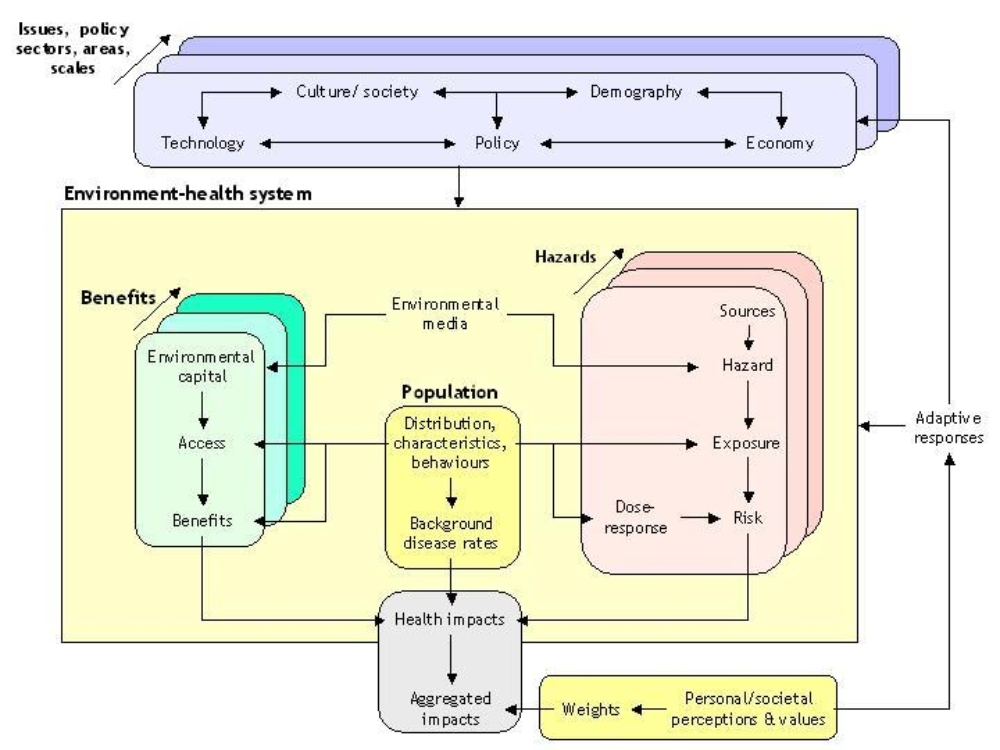
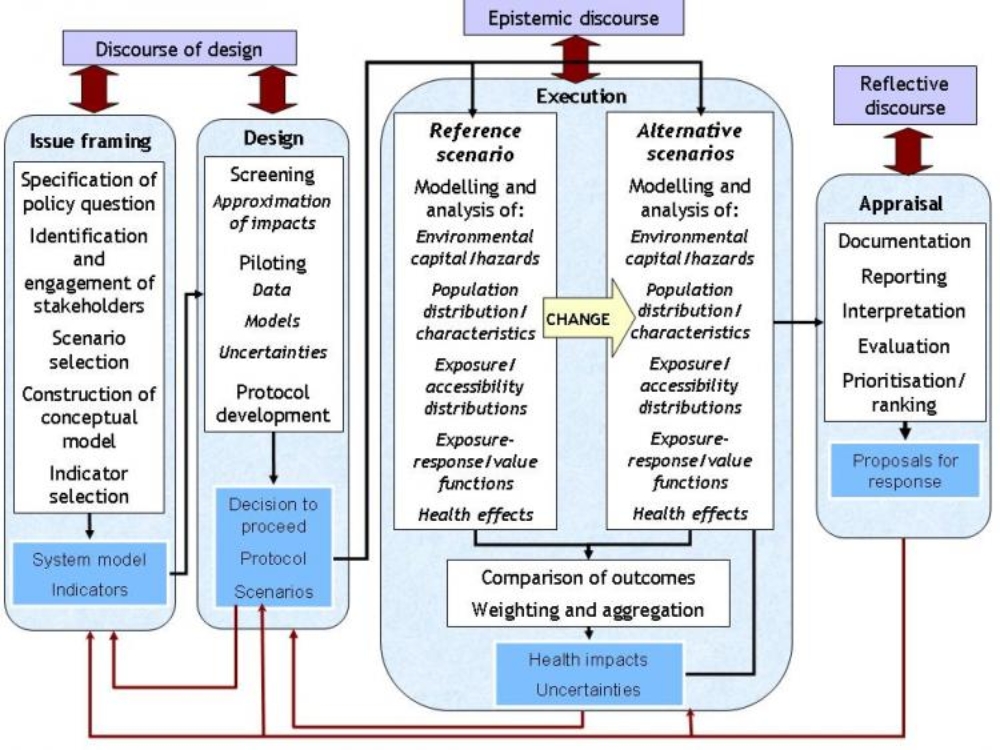
Case study PCBs in Slovak Republic
To illustrate IEHM and IEHD frameworks further, we have chosen PCBs in Slovakia, as a worked example to describe the data and illustrate the data integration from environmental monitoring, biominotoring, ecosurveillance and human health surveillance.
The detail information is given in D132-Development needs for integrated monitoring. It is available on http://www.intarese.org.
Issue
The issue:
The purpose of this case study is to illustrate IEHM and IEHD frameworks further. In this case, we do not collect any PCBs and other relevant data, therefore we do not perform any data analysis, only describing the existing data, illustrating the potential data integration and summarizing the current research results. At end, based upon the current research results, we are able to recommend the new actions in next step.
Assessment methodology
Assessment methodology:
To illustrate IEHM and IEHD frameworks further, we have chosen PCBs in Slovakia, as a worked example to describe the data and illustrate the data integration from environmental monitoring, biominotoring, ecosurveillance and human health surveillance. Here, like case study on PAHs in Czech Republic, we do not collect any PCBs and other relevant data, therefore we do not do any data analysis, only describing the existing data and data analysis methods, illustrating the potential data integration and summarizing the current research results. At end, based upon the current research results, we are able to recommend the new actions in next step.
Based upon the goal, the integrated plan for the case study PCBs in Slovakia are:
- First, following the IEHM framework, to describe PCBs and its relevant data from environmental monitoring, ecosurveillance, biomonitoring and human health surveillance; In order to doing this, need to look through all the existing monitoring projects/programs and relevant published literatures (in this case, we have reviewed 40 peer-reviewed articles).
- Second, describe the existing individual data.
- Third, following the IEHD framework to illustrate the potential way to integrate individual data.
- Fourth, summarize the existing research results
- Fifth, recommend the new action based upon the research results
After finalize above tasks, send the whole report to the expert (Prof. Tomas Trnovec and his research team at Slovak Medical University, tomas.trnovec@szu.sk) in Slovakia to comment it.
Study area
The study area is located in the industrial complex Chemko in Strazske, Michalovce, Svidnik and Stropkov regions, eastern Slovakia.
Study period
Several studies in Slovakia between 1987 and 1990 found high levels of PCBs in food. Since then, more and more national and international projects have been established on PCB monitoring and assessment in Slovakia. In summary, they are:
- TOCOEN project (Toxic Organic COmpounds in the ENvironment), established in 1988, and finished (Holoubek et al., 1994).
- Evaluating human health risk from low-Dose and long-Term PCB exposure (PCBRISK), 2001-2003 (www.pcbrisk.sk).
- PCB Exposure and early Childhood Development in Slovakia, established in 2003, ongoing (http://slovakchildren.ucdavis.edu).
- Assessing the risks of environmental stressors: contribution to development of integrating methodology (ENVIRISK), 2006-2008 (http://envirisk.nilu.no).
- INTARESE project (Integrated assessment of health risks of environmental stressors in Europe), 2005-2010 (http://www.intarese.org).
Data descriptions
The scope and variety of available environment and public health data of PCB exposure assessment in Slovakia is given in Table 1. The data from PCBs measures in the IEHM framework as a worked example in Slovakia is given in Table 2.
Environmental monitoring
The level of PCBs in ambient air, soil, sediment and water has been investigated (http://slovakchildren.ucdavis.edu/study_background.htem). The pollutants include:
- PCBs
- OH-PCBs and MeSO2-PCBs (subgroup of subjects)
- PCDDs/PCDFs (subgroup of subjects)
- Toxic metals Cd, Hg and Pb (subgroup of subjects)
Ecosurveillance
The level of PCBs in plants and wildlife has been investigated (Kocan et al., 1999, 2001). The detail categories are:
- Plants
- Benthic invertebrates
- Fish and water column invertebrates
- Wildlife (fish and game animals)
- Food products locally raised animals (e.g. pork, beef, poultry and eggs) or locally caught fish
Human biomonitoring
The level of PCBs in human blood, adipose tissue and breast milk has been investigated (http://slovakchildren.ucdavis.edu/study_background.htem). It included:
· Cross-sectional study of adult population (N=2047, 50.7% females and 49.3% males) and 8-9-year-old children (N=431) (Kocan et al., 2004; Jan et al., 2007)
Both adults and children
§ Immune parameters–Thymus size, immunoglobulins and selected antibodies, phenotypization of lymphocytes
§ Information on morbidity through childhood
§ Data from medical records
Adults
§ analyses of blood samples for PCBs, organ chlorine pesticides,
Children
§ Analyses of organ chlorine and toxic metal levels in blood serum
§ Assessment of thyroid morphology and function
§ Results from cognitive functions examination
· Prospective birth cohort study (N=1104)
§ analyses of PCBs and organ chlorine pesticides in breast milk, maternal and cord blood, children’s blood collected at 6-, 16-, and 45-months of age (so far)
§ analyses of OH-PCB metabolites and selected toxic metals in a subgroup of newborns
Human health surveillance
Health impairment of mother and child by PCBs has been studied, including hearing impairment, neurobehavioral changes, diseases of the thyroid and diabetes (Park et al., 2007).
· Examination of thyroid morphology/function;
· Examination of glucose metabolism
· Analyses of selected auto antibodies
· Examination of thyroid morphology/function;
· Analyses of selected auto antibodies
· Immune parameters (Thymus size, immunoglobulins and selected antibodies, phenotypization of lymphocytes)
· Results from hearing examinations (in children)
· Results from psychological examinations (in children)
· Results from dental status examination (in children)
· Information on morbidity through childhood
· Data from medical records
Questionnaires
The parents completed Questionnaires. In general, the questions are:
- Risk factors for environmental exposures to selected pollutants
- Food frequency
- Health status/health history/family health history
- Socioeconomic factors
- Social-demographic characteristics
- Past pregnancies
- Occupational history
- Medication history
|
|
General type of data
|
Detail type of data
|
|
|
Time activity data
|
----
|
Not available
|
|
|
Ingestion data
|
----
|
Not available
|
|
|
Physiological data
|
Data from textbooks
|
||
|
Population data
|
Data from web pages and Statistical Office of the Slovak Republic
|
||
|
Emission data
|
Air
|
Estimation done by Slovak Hydrometeorological Institute based on industrial data and emission factors
|
|
|
Water
|
Estimation done by Slovak Hydrometeorological Institute based on industrial data and emission factors
|
||
|
Sediment
|
Estimation done by Slovak Hydrometeorological Institute based on industrial data and emission factors
|
||
|
Data for media concentrations
|
Ambient air
|
· TOCOEN project (Toxic Organic COmpounds in the ENvironment) (Holoubek et al., 1994)
· Project Tocoen-The fate of selected organic pollutants in the environment. XXIII. Sampling and analysis of PCBs, PCDDs and PCDFs in ambient air in Bratislava (Chovancovet al., 1994)
· Environmental contamination with polychlorinated biphenyls in the area of their former manufacture in Slovakia (Kocan et al., 2001)
|
Data from scientific projects
|
|
Food products
|
· PCB Exposure and early Childhood Development in Slovakia (http://slovakchildren.ucdavis.edu)
· PCDDs, PCDFs and dioxin-like PCBs in food of animal origin (Slovakia) (Chovancová et al., 2005).
· The Burden of the Environment and Human Population in an Area Contaminated with Polychlorinated Biphenyls (Kocan et al., 1999)
|
Data from scientific projects
|
|
|
Soil
|
· PCB Exposure and early Childhood Development in Slovakia (http://slovakchildren.ucdavis.edu)
· Environmental contamination with polychlorinated biphenyls in the area of their former manufacture in Slovakia (Kocan et al., 2001)
|
Data from scientific projects
|
|
|
Surface water
|
· Environmental contamination with polychlorinated biphenyls in the area of their former manufacture in Slovakia (Kocan et al., 2001)
|
|
Table 1 (Continued)
|
General type of data
|
Detail type of data
|
Example of source of data and URL
|
Comments
|
|
Data for media concentrations
|
Bottom sediment
|
· PCB Exposure and early Childhood Development in Slovakia (http://slovakchildren.ucdavis.edu)
· Environmental contamination with polychlorinated biphenyls in the area of their former manufacture in Slovakia (Kocan et al., 2001)
|
Data from scientific projects
|
|
|
Wildlife
|
· PCB Exposure and early Childhood Development in Slovakia (http://slovakchildren.ucdavis.edu)
· Environmental contamination with polychlorinated biphenyls in the area of their former manufacture in Slovakia (Kocan et al., 2001)
|
Data from scientific projects
|
|
|
Human blood
|
· PCB Exposure and early Childhood Development in Slovakia (http://slovakchildren.ucdavis.edu)
· Polychlorinated Biphenyls and Their Hydroxylated Metabolites (OH-PCBs) in Pregnant Women from Eastern Slovakia (Park et al., 2007)
· Geospatial information systems analysis of regional environmental change in Eastern Slovakia (Wimmerova et al., 2008)
|
Data from scientific projects
|
|
|
Adipose tissue
|
· PCB Exposure and early Childhood Development in Slovakia (http://slovakchildren.ucdavis.edu)
· Levels of PCBs and some organochlorine pesticides in the human population from selected areas of the Slovak Republic. Part II. Adipose tissue (Kocan et al., 1994)
|
Data from scientific projects
|
|
|
Breast milk
|
· PCB Exposure and early Childhood Development in Slovakia (http://slovakchildren.ucdavis.edu)
· Levels of Polychlorinated Biphenyls and Some Other Organochlorine Compounds in Breast Milk Samples in Bratislava (Prachar et al., 1993)
|
Data from scientific projects
|
|
Data on health effects
|
Increased thyroid volume, impairment of Glucose metabolism, diabetes
|
· Evaluating Human Health Risk from Low-Dose and Long-Term PCB Exposure (PCBRISK) (http://www.pcbrisk.sk)
· Petition regarding health problems caused by PCB in Slovakia (Bartonova and the ENVIRISK research team, 2009; available on http://envirisk.nilu.no and http://www.nilu.no)
|
Data from scientific projects
|
|
Hearing problems, dental problems, immune and nervous systems alterations in children
|
· Evaluating Human Health Risk from Low-Dose and Long-Term PCB Exposure (PCBRISK) (http://www.pcbrisk.sk)
· Petition regarding health problems caused by PCB in Slovakia (Bartonova and the ENVIRISK research team, 2009; available on http://envirisk.nilu.no and http://www.nilu.no)
· PCB Exposure and early Childhood Development in Slovakia (http://slovakchildren.ucdavis.edu)
· Environmental exposure to PCBs and development of nervous system in Children (Patayova et al., 2008)
|
Data from scientific projects
|
|
|
Cancer
|
· Evaluating Human Health Risk from Low-Dose and Long-Term PCB Exposure (PCBRISK) (http://www.pcbrisk.sk)
· Petition regarding health problems caused by PCB in Slovakia (Bartonova and the ENVIRISK research team, 2009; available on http://envirisk.nilu.no and http://www.nilu.no)
· Environmental exposure to PCBs and cancer incidence in eastern Slovakia (Pavuk et al., 2004)
|
Cancer data (incidence, mortality) on regions and district aggregated
|
Table 2 PCBs measures in the IEHM framework as a worked example of this approach in Slovak Republic.
|
Environmental monitoring
|
Ecosurveillance
|
Human biomonitoring
|
Human health surveillance
|
Intervention options
|
|
Emission of PCBs
· Air
· Sediment
· Water
Concentration of PCBs
· Ambient air
· Soil
· Surface water
· Bottom sediment
|
· Plants
· Benthic invertebrates
· Fish and water column invertebrates
· Wildlife (game)
· Food products (egg, cow milk, pork, beef, chicken, infant milk formula, cod liver, butter, fish)
|
2047 adults and 431 8-9 years old children
· Blood sample for PCBs and organochlorine pesticide, hormones, antibodies, biomarkers
· Questionnaires on biomedical data
2047 adults
· 1200 adults with no contraindication for the oral glucose tolerance test
· 300 adults for additional estimatations of OH-PCBs, MeSO2-PCBs, PCDDs, PCDFs, coplanar PCBs, metals (Cd, Hg, Pb, Mn, Zn, Se), bioassays of dioxin-like activity and xenoestrogenic activity
431 children
· 431 children for cognitive and hearing functions, dental status and organochlorine and toxic metal levels in serum and thyroid morphology and function
|
· Increased thyroid volume
· Impairment of Glucose metabolism
· Diabetes
· Hearing impairment
· Dental problem
· Immune and nervous systems alterations
· Cancer
|
Prolonging study periods
· Final remediation
· Monitoring of body burden of the population
· Monitoring of local food quality and environmental contamination.
Extending study areas to other regions of eastern Slovakia
Strengthening political protection
· Immediate implementation of measures for population protection
· Exact determination of the environmental contamination and the cause of the increasing exposures to PCBs in children
· Prevention of further exposure of the population as a whole
· Ensuring appropriate health care for the exposed population with active search for and follow up of exposed individuals.
· Establish an independent body including international experts, to guide and to oversee that resources are used efficiently and in agreement with current scientific knowledge.
|
After step 2-Collect data (in this case study, we described what measurements have been done and what data is available, and where to get it, etc.), it is necessary to analyze or preprocess each individual data since not all the data can be used in next step. The factors need to be considered of analyzing individual data are:
- Study area
- Study period
- Time and special scale
- Data and data unit
There have been many studies on PCBs in Slovakia since 1994. Most studies on PCBs located in highly polluted area Michalovce district and control areas Svidnik and Stropkov regions, eastern Slovakia. Tables 3-6 demonstrate the data that can possibly be integrated after individual data analysis.
Table 3 Environmental monitoring data-PCB levels (the sum of all congeners) in ambient air, soil, surface water, sediment, in the districts of Michalovce and Stropkov, in 1997/1998 (Holoubek et al., 2000).
|
Categories
|
Michalovce district (polluted area)
|
Stropkov district
(control area)
|
Comments
|
|
Ambient air (ng/m3)
|
100 (remote site)-1700 (close to the Chemko factory)
|
64-200
|
Several times higher values were found close to the Chemko factory and its landfill and storage sites in Strazske
Levels of PCBs from the Michalovce ambient air contained much higher PCB levels than those from the Stropkov ones.
|
|
Soil in agricultural fields (ng/kg)
|
1.5-13
|
3.6-9.2
|
PCB levels in the soil samples taken from the agricultural fields near some towns and villages were considerably lower than those take from the neighborhood of disposal sites and plants mixing asphalt and gravel.
|
|
Soil in asphalt/gravel mixing plants sites (ng/g)
|
3900-53 000 000
|
----
|
|
|
Soil in waste disposal sites (ng/g)
|
170 (rim of Michalovce dump)-5800 (near Chemoko dump)
|
----
|
Levels of PCBs in soil from waste sites near Chemoko dump contained much higher PCB levels than those from the rim of Michalovce dump.
|
|
Surface water (ng/l)
|
12.6 (upstream Strazske)-1950 (effluent canal/Chemko)
|
6.1-10
|
Levels of PCBs from the Michalovce Surface water contained much higher PCB levels than those from the Stropkov ones.
The highest levels were found in the effluent canal flowing from the Chemoko factory.
|
|
Bottom sediment (ug/g)
|
0.052 (upstream Strazske)-3000 (the canals merged)
|
0.007-0.052
|
Levels of PCBs from the Michalovce sediments contained much higher PCB levels than those from the Stropkov ones.
The highest levels were found in a muddy part of an effluent canal flowing from the Chemoko factory.
|
Table 4 Ecosurveillance data-PCB levels (The sum of 28, 52, 101, 118, 138, 153, 156, 170 and 180 congeners) in wildlife (fish and game) in the districts of Michalovce and Stropkov in 1997/1998; PCBs levels (PCDD, PCDF, non-ortho PCB and mono-ortho PCB) in food by WHO-TEQ (The toxic equivalents) concentrations (pg/g fat) in district of Michalovce in 2001 (Chovancova et al., 2005).
|
Categories
|
Michalovce district (polluted area)
|
Stropkov district
(control area)
|
Comments
|
|
Wildlife (fish-predatory) (ug/g)
|
375
|
5.2
|
Fish from the Michalovce waters contained much higher PCB levels than those from the Stropkov ones. It was confirmed that the predatory fishes are more exposed than fishes feeding on plankton or benthic food.
|
|
Wildlife (fish-Plankto+benthophage) (ug/g)
|
224
|
1.5
|
|
|
Wildlife (game) (ng/g)
|
103.2
|
33.2
|
Game animals shot in forest and fields from the Michalovce contained much higher PCB levels than those from the Stropkov ones.
|
|
Homemade eggs (non-ortho PCB)
|
13.3
|
----
|
Higher TEQ levels of PCDFs and PCBs in homemade eggs and butter from district of Michalovce point out the fact that PCBs were produced and released to the environment of eastern Slovakia.
|
|
Homemade eggs (mono-ortho PCB)
|
3.69
|
----
|
|
|
Homemade buffer (non-ortho PCB)
|
6.11
|
----
|
|
|
Homemade buffer (mono-ortho PCB)
|
3.65
|
----
|
Table 5 Human biomonitoring data-PCB levels in breast milk in Slovak Republic in 2001 (Van Leeuwen and Malisch, 2002); PCB levels in human adipose tissues in Bratislava, Tren in and Martin in 1991 (Petrik et al., 1991); PCB levels in serum samples of adults from Michalovce and Stropkov/Svidnik districts in 2001 (Jursa et al., 2006); PCB levels in maternal serum samples from Michalovce and Stropkov/Svidnik districts during 2002-2004 (Park et al., 2007).
|
Categories
|
Criteria
|
Michalovce
|
Stropkov/Svidnik
|
Bratislava
|
Trenin
|
Martin
|
Slovak Republic
|
Comments
|
|
|
Human milk (ng/g fat)
|
PCDDs/PCDFs WHO-TEQ
|
Mean
|
----
|
----
|
----
|
----
|
----
|
9.07
|
Compared with other countries in Europe, high levels of PCBs in human milk were found in the Slovak Republic, the Czech Republic and the Spain.
|
|
Range
|
|
|
|
|
|
7.84-9.87
|
|
||
|
PCBs WHO-TEQ
|
Mean
|
----
|
----
|
----
|
----
|
----
|
12.60
|
|
|
|
Range
|
----
|
----
|
----
|
----
|
----
|
10.72-19.49
|
|
||
|
Sum indicator PCBs)
|
Mean
|
----
|
----
|
----
|
----
|
----
|
443
|
|
|
|
Range
|
----
|
----
|
----
|
----
|
----
|
331-621
|
|
||
|
human adipose tissues (mg/kg)
|
Males
|
|
----
|
----
|
0.7-10.4
|
2.1-5.5
|
0.4-4.7
|
----
----
|
Highest concentrations were found in patients from the relatively densely population region with heavy chemical industry (Bratislava). Lower concentrations were found in the smaller towns and zones with different type of industry (engineering, Trenin).
|
|
Females
|
|
----
|
----
|
0.6-7.7
|
0.4-6.1
|
0.4-4.8
|
----
----
|
|
|
|
Adults serum samples
|
Total concentration of non-dioxin-like PCBs (ng/g lipid))
|
Median
|
3375
|
1000
|
----
|
----
|
----
|
----
|
PCB levels in serum samples from individual living in the unpolluted Svidnik/Stropkov area were significantly lower than in human serum taken from the Michalovce district.
|
|
Mean
|
5863
|
1245
|
----
|
----
|
----
|
----
|
|||
|
Min
|
470
|
207
|
|
|
----
|
----
|
|||
|
Max
|
55334
|
9017
|
----
|
----
|
----
|
----
|
|||
|
TEQ concentrations of dioxin-like PCBs (pg/g lipid))
|
Median
|
47
|
19
|
----
|
----
|
----
|
----
|
||
|
Mean
|
79
|
20
|
----
|
----
|
----
|
----
|
|||
|
Min
|
6.4
|
6.7
|
|
|
|
----
|
|||
|
Max
|
658
|
88
|
----
|
----
|
----
|
----
|
|||
|
Maternal serum samples
|
Concentration of PCBs (ng/g wet weight)
|
Median
|
5.73
|
2.82
|
|
|
|
|
The concentrations of both PCBs and OH-PCB metabolites in maternal serum of Michalovce were about two times higher than those of the Svidnik/Stropkov mothers.
|
|
Concentration of OH-PCB (ng/g wet weight)
|
Median
|
0.55
|
0.32
|
|
|
|
|
||
Table 6 Human health surveillance data–impaired immunologic developments by measuring thymus size at birth in neonates in Michalovce and Svidnik during 2002-2004 (Park et al., 2008); breast cancer by association analysis between PCBs and risk of breast cancer in Michalovce during 1998-1999 (Pavuk et al., 2003); hearing impairment by assessing the cross-sectional association between serum PCBs and OAEs (otoacoustic emissions) in 12 year old children in Michalovce, Svidnik and Bratislava, during 2006-2008; and neurobehavioral changes by predicting standardized scores for MDI (Mental Development Index) and PDI (Psychomotor Development Index) at 16 months in Michalovce and Svidnik during 2002-2004 (Park et al., 2009).
|
Categories
|
Criteria
|
Michalovce district
(polluted area)
|
Svidnik district
(control area)
|
Bratislava
|
Comments
|
|||||||||||||
|
Impaired immunologic developments by evaluate univariate distribution of thymic index by six radiologists
|
Radiologists
|
1
|
2
|
3
|
4
|
5
|
6
|
----
|
----
|
By a predictive model of the natural log of the thymic index using multiple linear regression with covariates selected from the bivariate analyses, PCB exposure in neonates is associated with a smaller thymic volume, suggesting possible impaired immunologic development.
|
||||||||
|
Number of mother/infant pairs
|
363
|
155
|
89
|
95
|
187
|
93
|
----
|
----
|
||||||||||
|
Mean of thymic index
|
8.1
|
8.7
|
8.3
|
8.1
|
12.8
|
13.2
|
----
|
----
|
||||||||||
|
Median of thymic index
|
7.6
|
8.3
|
8.0
|
8.0
|
11.6
|
13.2
|
----
|
----
|
||||||||||
|
SD of thymic index
|
3.3
|
3.0
|
2.7
|
2.8
|
5.3
|
4.2
|
----
|
----
|
||||||||||
|
10th-90th of thymic index
|
4.5-12.2
|
5.0-12.3
|
5.3-11.0
|
4.8-12.4
|
7.3-20.2
|
8.3-18.5
|
----
|
----
|
||||||||||
|
Breast cancer by estimating odds ratios (OR, 95% CI) for breast cancer risk
|
PCBs
|
1 (estrogenic)
|
2 (antiestrogenic)
|
3 (enzyme inducers)
|
Total PCBs
|
----
|
----
|
----
|
----
|
There is little or no evidence of a positive association between organochlorines body burden with the risk of breast cancer in populations with low PCB levels. However, we must bear in mind the small sample size and preliminary conclusions of this study.
|
||||||||
|
Number of controls without breast cancer
|
28
|
28
|
29
|
29
|
28
|
28
|
----
|
----
|
29
|
29
|
28
|
28
|
----
|
----
|
----
|
----
|
||
|
Number of cases with breast cancer
|
14
|
4
|
6
|
8
|
10
|
6
|
----
|
----
|
7
|
7
|
11
|
6
|
----
|
----
|
----
|
----
|
||
|
OR
|
1
|
0.34
|
0.22
|
1
|
0.78
|
0.32
|
----
|
----
|
0.49
|
1
|
0.99
|
0.42
|
-----
|
----
|
|
|
||
Table 6 (Continued)
|
Categories
|
Criteria
|
Michalovce district
(polluted area)
|
Svidnik district
(control area)
|
Bratislava
|
Comments
|
|||
|
Hearing impairment by assessing the cross-sectional association between serum PCBs and TEOAEs (transient evoked otoacoustic emissions)/DPOAE (distortion product otoacoustic emissions)
|
Number of boys
|
92
|
83
|
94
|
Dioxin-like PCBs, nondioxin-like PCBs and a PCB grouping targeting up regulation of hepatic uridine 5′-diphospho-glucuronosyltransferase were significantly associated with lower TEOAE powers at 1000 and 1500 Hz. At 1500 Hz, we observed a strong association with sum of PCBs and DL-PCBs, in the left ear only. The DPOAEs at 1000 Hz were associated with all four PCB groupings.
|
|||
|
Number of girls
|
90
|
80
|
134
|
|||||
|
TEOAE and DPOAE
|
Left ears
|
Right ears
|
Left ears
|
Right ears
|
Left ears
|
Right ears
|
||
|
Power at 1000 Hz (TEOAE)
|
1.55
|
1.6
|
0.075
|
0.675
|
-1.95
|
-0.075
|
||
|
Power at 1500 Hz (TEOAE)
|
7.73
|
7.28
|
6.75
|
7.5
|
6.9
|
7.95
|
||
|
Power at 1000 Hz (DPOAE)
|
6
|
6.9
|
4.55
|
6
|
-2.7
|
1.98
|
||
|
Neurobehavioral changes by evaluating associations between prenatal OH-PCB exposure and neurodevelopment in children at 16 months of age
|
Number of mother
|
122
|
63
|
----
|
Cord 4-OH-CB-107 was associated with lower MDI.
Maternal 4-OH-CB-107 was significantly associated with lower MDI, but not PDI.
No other OH-PCB metabolites were associated with decreased PDI or MDI.
|
|||
|
Number of cord
|
63
|
17
|
----
|
|||||
|
MDI in Maternal sera
|
-3.34
|
2.66
|
----
|
|||||
|
MDI in cord sera
|
-4.00
|
3.17
|
----
|
|||||
|
PDI in Maternal sera
|
-5.40
|
4.30
|
----
|
|||||
|
PDI in cord sera
|
-7.52
|
2.76
|
----
|
|||||
Since we did not collect any real data, here we just integrate Tables 8-11 together to present the possible integrated data on PCBs study in Slovakia (Table 7).
Table 7 Integrated data on PCBs study in Slovakia following IEHM and IEHD frameworks.
|
Monitoring
|
Items
|
Study area
|
Study period
|
Conclusions/Comments/Recommendations
|
|
Environmental monitoring
|
Ambient air
|
Michalovce and Stropkov
|
1997-1998
|
Levels of PCBs from Michalovce in ambient air, soil, surface water and bottom sediment contained much higher PCBs levels than those from the Stropkov ones.
The highest levels of PCBs in ambient air, soil, surface water and bottom sediment were found around the effluent canal flowing from the Chemoko factory.
Data on levels of PCBs in indoor air need to be investigated.
Data on environmental monitoring of PCBs in Michalovce and Stropkov, and other regions of Slovak Republic in recent years from other sources need to be investigated.
Environmental monitoring of PCBs need to be extended to other regions of eastern Slovakia and monitoring period must be extended as well.
|
|
Soil
|
Michalovce and Stropkov
|
1997-1998
|
||
|
Surface water
|
Michalovce and Stropkov
|
1997-1998
|
||
|
Bottom sediment
|
Michalovce and Stropkov
|
1997-1998
|
||
|
Ecosurveillance
|
Food
|
Michalovce
|
2001
|
Wildlife shot in forest and fields and food products from locally raised animals or locally caught fish from the Michalovce contained much higher PCB levels than those from the Stropkov ones.
Ecosurveillance of PCBs in plants (both water and terrestrial) from the Michalovce is suggested to be monitored.
Ecosurveillance of PCBs need to be extended to other regions of eastern Slovakia and monitoring period must be extended as well.
|
|
Wildlife (fish and game)
|
Michalovce and Stropkov
|
1997-1998
|
||
|
Human biomonitoring
|
Breast milk
|
Slovak Republic
|
2001
|
The highest concentrations of PCBs in maternal serum samples/serum samples from adults, and human adipose tissues were found from Michalovce.
Data on other biomarkers (e.g. urine, hair) on PCBs biomonitoring in Michalovce, Stropkov, and other regions of Slovak Republic in recent years from other sources need to be investigated.
Biomonitoring of PCBs need to be extended to other regions of eastern Slovakia and monitoring period must be extended as well.
|
|
Human adipose tissues
|
Bratislava, Trenin and Martin
|
1991
|
||
|
Serum samples of adults
|
Michalovce and Stropkov/Svidnik districts
|
2001
|
||
|
Maternal serum samples
|
Michalovce and Stropkov/Svidnik districts
|
2002-2004
|
||
|
Human health surveillance
|
Impaired immunologic developments
|
Michalovce and Svidnik
|
2002-2004
|
The relationships between the contamination of the residential areas (Michalovce) by PCBs and health consequences including hearing impairment, neurobehavioral changes, impaired immunologic development, and breast cancer have been demonstrated.
Data on human health surveillance of PCBs in Michalovce, Svidnik and Bratislava, and other regions of Slovak Republic in recent years from other sources need to be investigated.
Human health surveillance of PCBs need to be extended to other regions of eastern Slovakia and monitoring period must be extended as well.
|
|
Breast cancer
|
Michalovce
|
1998-1999
|
||
|
Hearing impairment
|
Michalovce, Svidnik and Bratislava
|
2006-2008
|
||
|
Neurobehavioral changes
|
Michalovce and Svidnik
|
2002-2004
|
||
|
Integrated monitoring
|
|
Michalovce, Stropkov/Svidnik, Bratislava
|
1997-2008
|
More monitoring and measuring on specific items between 1997 and 2008 is suggested.
An integrated monitoring program of PCBs (large area and long term) in Slovak Republic is suggested.
|
Step 5-Report results (available in Results section)
<o p="">Step 6-Recommendation new actions (available in Discussion section)
Results
Results:
Following the IEHM operational framework-DPSEEA, the results of case study PCBs in Slovak Republic are:
Driving forces
Between 1959 and 1984, the Chemko Inc. Plant located in Michalovce, Slovakia produced polychlorinated biphenyls (PCBs) in form of Delors (PCB exposure and early children development in Slovakia, http://slovakchildren.ucdavis.edu). According to Kocan et al. (1998), Chemko Chemko Inc. Plant produced from 1959 to 1984 in a total amount of about 21 500 tonnes (Kocan et al., 1998), especially in the first half the manufacture, considerable amounts of PCBs released into the environment due to poor technological measures. In addition, former ignorance about the environmental persistency of PCBs and their harmful effects on living organisms caused that almost no attention was paid to PCB releases at that date.
Pressure
As above-mentioned, considerable amounts of the waste of PCBs production has been discharged in the surrounding environment (mainly into watercourses and soil) between 1959 and 1984, due to this, pressure on environment (i.e. environmental contamination) started through manufacturer’s effluent canal around Michalovce district and other sites where PCBs were applied.
Status
Environmental contamination from PCBs production waste then increased PCB levels in ambient air, soil, surface water and water sediment around Michalovce district and other sites where PCBs were applied. As a consequence of that, wildlife living in local forests and fields and especially fish caught in contaminated waters and contained PCBs often at very high levels. Results from an ongoing project are also showing that the food and human population of Michalovce district is much more contaminated with PCBs than the rest of Slovakia (PCB exposure and early children development in Slovakia, http://slovakchildren.ucdavis.edu).
Exposure
- Higher TEQ levels of PCDFs and PCBs in homemade eggs and butter from district of Michalovce point out the fact that PCBs were produced and released to the environment of eastern Slovakia (Chovancova et al., 2005).
- Mothers residing in eastern Slovakia are still highly exposed to PCBs, and their body burdens of these pollutants and OH-PCB metabolites may pose a risk for adverse effects on health for themselves and their children (Park et al., 2007).
- It is clear that in the population living in the watershed of the river Laborec, in Strazske, neighboring villages as well as in the Michalovce town, PCB exposure has continued and occasionally increased (Bartonova and the ENVIRISK research team, 2009).
- The PCB levels in blood are the highest of the levels published in the world scientific literature. The total number of inhabitants in the area studied is many times higher than in the other known contaminated areas. According to the research done by professor Trnovec, the exposure to PCB does not always decrease over time; indeed, there even exists a group of 52 children, from a randomly selected sample of 319, whose exposure has increased. This is despite the fact that the PCB production has been stopped more than 20 years (Bartonova and the ENVIRISK research team, 2009).
Effects
The relationships between the contamination of the residential areas by polychlorinated biphenyls and health consequences including hearing impairment, neurobehavioral changes, diseases of the thyroid, and diabetes have been demonstrated (Patayova et al., 2008). In summary, they are:
- A dose repose relationship between PCB exposure and developmental enamel defects of permanent teeth in Children has been demonstrated (Jan et al., 2007).
- The research results raised possibility that high environmental exposure to organochlorines in the Michalovce district may be associated with higher rates of certain cancers, particularly stomach and lung cancer (Pavuk et al., 2004).
- Mothers residing in eastern Slovakia are still highly exposed to PCBs, and their body burdens of these pollutants and OH-PCB metabolites may pose a risk for adverse effects on health for themselves and their children (Park et al., 2007).
- The findings showed that a significant association of 4-OH-CB-107 with decreased MDI (Mental Development Index), which can possibly be mediated by endocrine disruption, altered neurotransmitter functions, or reduced thyroid hormone concentrations in brain (Park et al., 2009).
- The study showed that PCB exposure in neonates is associated with a smaller thymic volume, suggesting possible impaired immunologic development (Park et al., 2008).
- The results show that PCBs may affect the OHCs (out hair cells) of the cochlea in 12 year old children, which is consistent with findings from animal studies published to date (Trnovec et al., 2008).
Actions (Availabe in Disucssion section)
Discussion
Discussion:
Based upon the results of case study PCBs in Slovak Republic, the following actions are recommended:
Prolonging study periods
Long term measurements are needed. It should include:
- final remediation
- monitoring of body burden of the population
- monitoring of local food quality and environmental contamination.
Extending study areas
Based on the results of the projects, no region in the eastern Slovakia can be thought of as being truly unexposed, as the background, concentrations are substantial. Since we still do not have the complex picture, PCB monitoring must be extended to other regions of eastern Slovakia.
Strengthening political protection
This is enough evidence for:
- Immediate implementation of measures for population protection (information campaign, educational measures dealing with how to live in a contaminated territory especially regarding sensitive population groups such as children, women of childbearing age, pregnant women, and mothers)
- Exact determination of the environmental contamination and the cause of the increasing exposures to PCBs in children
- Prevention of further exposure of the population as a whole
- Ensuring appropriate health care for the exposed population with active search for and follow up of exposed individuals.
In addition, establish an independent body is suggested, such as a scientific advisory board including international experts, to guide this process and to oversee that resources are used efficiently and in agreement with current scientific knowledge.
Conclusion
Conclusion:
-
Levels of PCBs from Michalovce in ambient air, soil, surface water and bottom sediment contained much higher PCBs levels than those from the Stropkov ones.
-
The highest levels of PCBs in ambient air, soil, surface water and bottom sediment were found around the effluent canal flowing from the Chemoko factory.
-
Wildlife shot in forest and fields and food products from locally raised animals or locally caught fish from the Michalovce contained much higher PCB levels than those from the Stropkov ones.
-
The highest concentrations of PCBs in maternal serum samples/serum samples from adults, and human adipose tissues were found from Michalovce.
-
The relationships between the contamination of the residential areas (Michalovce) by PCBs and health consequences including hearing impairment, neurobehavioral changes, impaired immunologic development, and breast cancer have been demonstrated.
References
References:
Bartonova, A., and the ENVIRISK research team. 2009. Petition regarding health problems caused by PCB in Slovakia. Available on http://www.nilu.no.
Chovancov , J., Petrik, J., Ko an, A., and Holoubek, I. 1994. Project Tocoen. The fate of selected organic pollutants in the environment. XXIII. Sampling and analysis of PCBs, PCDDs and PCDFs in ambient air in Bratislava. Toxicological & Environmental Chemistry, 44 (1 & 2): 73 – 80.
Chovancová, J., Kočan, A., and Jursa, S. 2005. PCDDs, PCDFs and dioxin-like PCBs in food of animal origin (Slovakia). Chemosphere, 61(9): 1305-1311.
Holoubek, I., Cáslavský, J., Helesic, J., Kocan, A., Petrik, J., Chovancová, J., Drobná, B., Korínek, P., Bohácek, Z., Holoubková, I., et al. 1994. Tocoen project. Cent Eur J Public Health. 2(2):122-129.
Holoubek, I., Ansorgov , A., Ko nek, P., Kohoutek, J., Staffov , K., Paschov , Z., Holoubkov , I., and Mitera, J. 2000. The Spatial and Temporal Variations of Polycyclic Aromatic Hydrocarbons (PAHs) in Environmental Matrices in the Czech Republic. Polycyclic Aromatic Compounds, 20 (1 – 4): 67 – 77.
Jan, J., Sovcikova, E., Kocan, A., Wsolova, L., Trnovec, T. 2007. Developmental dental defects in children exposed to PCBs in eastern Slovakia. Chemosphere. 67: S350-S354.
Jursa, S., Chovancová, J., Petrík, J., Loksa. J. 2006. Dioxin-like and non-dioxin-like PCBs in human serum of Slovak population. Chemosphere. 64 (4):686-691.
Kočan, A., Drobna, B., Petrik, J., Jurša, S., Chovancova, J., Conka, K., Balla, B., Sovcikova, E., Trnovec, T. 2004. Human exposure to PCBs and some other persistent organochlorines in eastern Slovakia as a consequence of former PCB production, Organohalogen Compd. 66: 3490–3497.
Kocan, A., Petrik, J., Drobna, B. and Chovancova, J., 1994. Levels of PCBs and some organochlorine pesticides in the human population from selected areas of the Slovak Republic. Part II. Adipose tissue. Organohalogen Compounds 21:147–151.
Kočan, A., Drobná, B., Chovancová, J., Kočan, J., Petrík, J., Szabová, E., 1998. The Burden of the Environment and Human Population in an Area Contaminated with Polychlorinated Biphenyls (Interim Report #1). Bratislava. Institute of Preventive and Clinical Medicine.
Kocan, A., Petrik, J., Drobna, B., Chovancova, J., Jursa, S., Pavuk, M., Kovriznych, J., Langer, P., Bohov, P., Tajtakova, M., Suchanek, P. 1999. The Burden of the Environment and Human Population in an Area Contaminated with Polychlorinated Biphenyls. Institute of Preventive and Clinical Medicine [in Slovak].
Kocan, A., Petrik., J., Jursa, S., Chovancova, J., and Drobna, B. 2001. Environmental contamination with polychlorinated biphenyls in the area of their former manufacture in Slovakia. Chemosphere, 43(4-7): 595-600.
Park, H-Y., Hertz-Picciotto, I., Petrik, J., Palkovicova, L., Kocan, A., Trnovec, T. 2008. Prenatal PCB exposure and thymus size at birth in neonates in Eastern Slovakia. Environ Health Perspect. 116(1):104-109.
Park, H-Y., Park, JS., Sovcikova, E., Kocan, A., Linderholm, L., Bergman, A., Trnovec, T., Hertz-Picciotto, I. 2009. Exposure to hydroxylated polychlorinated biphenyls (OH-PCBs) in the prenatal period and subsequent neurodevelopment in eastern Slovakia. Environ Health Perspect. 117(10):1600-1606.
Park, J-S., Linderholm, L., Charles, MJ., Athanasiadou, M., Petrik, J., Kocan, A. et al. 2007. Polychlorinated Biphenyls and Their Hydroxylated Metabolites (OH-PCBs) in Pregnant Women from Eastern Slovakia. Environmental Health Perspective. 115:20-27.
Patayova, H., Palkovicova, L., Rausova, K., Babjakova, J., Sovcikova, E., and Trnovec, T. 2008. Project “Environmental exposure to PCBs and development of nervous system in children”. Toxicology Letters. 180 (1): S196
Pavuk, M., Cerhan, J.R., Lynch, CF., Kocan, A., Petrik, J., Chovancova, J. 2003. Case-control study of PCBs, other organochlorines and breast cancer in Eastern Slovakia. J Expo Anal Environ Epidemiol. 13(4):267-275.
Pavuk, P., Cerhan, J.R., Lynch, C.F., Schecter, A., Petrik, J., Chovancova, J., Kocan, A. 2004. Environmental exposure to PCBs and cancer incidence in eastern Slovakia. Chemosphere. 54:1509–1520.
Petrik, J., Chovancov , J., Ko an, A., Holoubek, I. 1991. Project TOCOEN. The fate of selected organic pollutants in the environment. VIII. PCBs in human adipose tissues from different regions of Slovakia. Toxicological & Environmental Chemistry. 34 (1): 13 - 18.
Prachar, V., Veningerova, M., and Uhnak, J. 1993. Levels of Polychlorinated Biphenyls and Some Other Organochlorine Compounds in Breast Milk Samples in Bratislava. Science and the Total Environment. supp. pt. 1: 237-242.
Trnovec, T., Šovčíková, E., Hust’ák, M., Wimmerová, S., Kočan, A., Jurečková, D., Langer, P., Palkovičová, L., Drobná, B. 2008. Exposure to polychlorinated biphenyls and hearing impairment in children. Environmental Toxicology and Pharmacology. 25 (2): 183-187.
Van Leeuwen, FXR. and Malisch, R. 2002. Results of the third round of the WHO coordinated exposure study on the levels of PCBs, PCDDs and PCDFs in human milk. Organohalogen Compounds. 56: 311-316.
Wimmerova, S., Trnovec, T., Drobna, B., Patayova, H., Sovcikova, E., Michniak, D. 2008. Geospatial information systems analysis of regional environmental change in Eastern Slovakia. Toxicology Letters. 180 (1): S206.